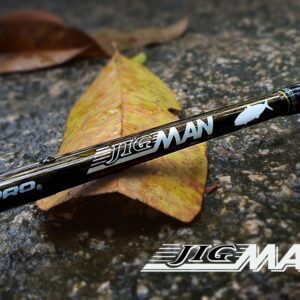
Size Chart
| Model | Length | PE | Line | Jig Max | Pieces | Type | Guide |
|---|---|---|---|---|---|---|---|
| JMC531ML | 5’3″ | 1.5-4 | 10-30lb | 90g | 1 | Overhead | 6+1 |
| JMC521M | 5’2″ | 3-6 | 20-40lb | 150g | 1 | Overhead | 6+1 |
| JMC501MH | 5’0″ | 4-8 | 30-50lb | 250g | 1 | Overhead | 5+1 |
| JMS531ML | 5’3″ | 1.5-4 | 10-30lb | 90g | 1 | Spinning | 5+1 |
| JMS521M | 5’2″ | 3-6 | 20-40lb | 150g | 1 | Spinning | 5+1 |
| JMS501MH | 5’0″ | 4-8 | 30-50lb | 250g | 1 | Spinning | 5+1 |
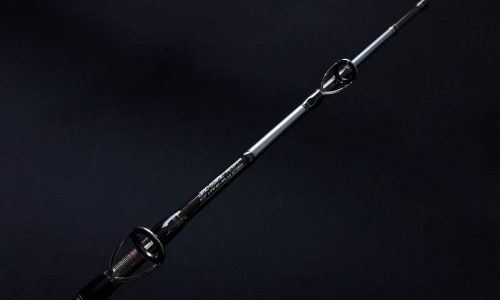
Why Jigman Is the Best Jigging Rod for Malaysia
Malaysian waters do not play favourites. The reefs off Kuala Rompin, the deep drops around Pulau Perhentian, and the offshore banks near Kota Kinabalu all demand gear that can handle sudden, violent strikes from species that fight dirty and run hard. The Jigman was built for exactly this.
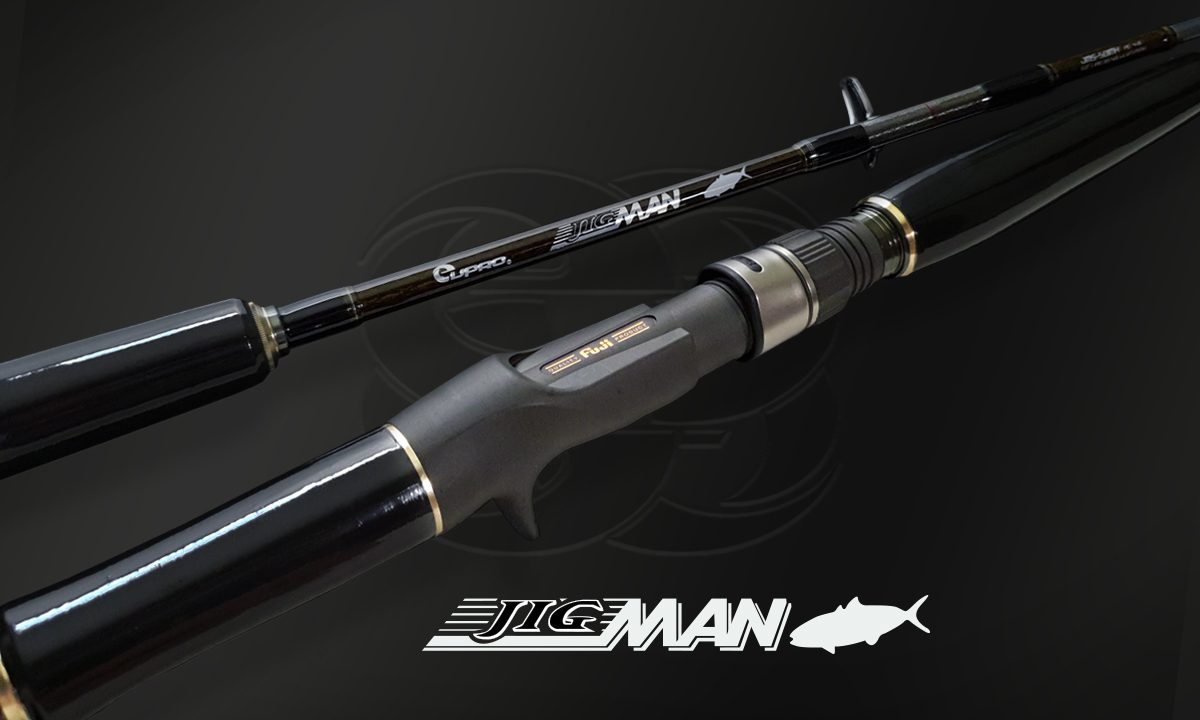
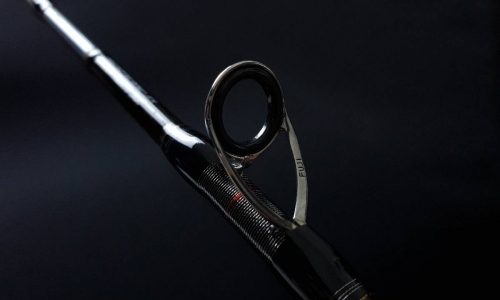
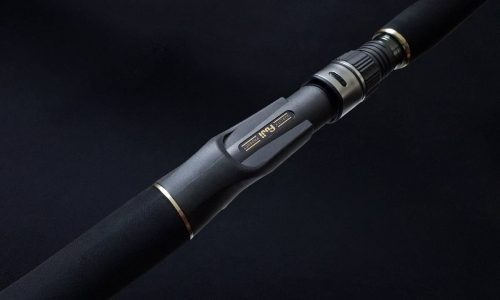
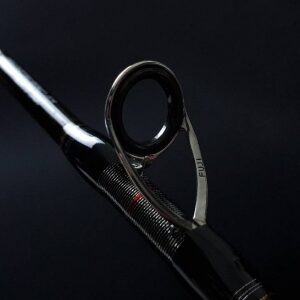
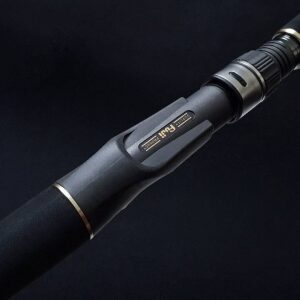
Constructed on a high-modulus carbon fiber rod blank with reinforced butt and tip sections, the Jigman delivers the backbone needed to work heavy jigs at depth while maintaining the rod sensitivity to detect bottom contact and subtle bites. Fitted with Fuji guides and a quality reel seat, it handles the stress of repeated high-angle jigging without developing guide-ring grooves or seat play.
The series covers jig weights from 80g to 300g across multiple PE line ratings, letting you match the rod to the depth and current conditions you are actually fishing. For reef species like Snapper and Grouper, the lower PE models (PE1.5–3) provide the parabolic action that absorbs head-shakes and keeps the hook pinned. For pelagic targets — Trevally, Yellowtail Kingfish, and Amberjack — the higher PE models (PE3–6) give you the lifting power to stop a fish before it reaches structure.
This is the best jigging rod for Malaysian conditions because it is not a generic offshore blank rebranded for the local market. It was designed, tested, and refined on Malaysian reefs and deep-water marks by anglers who actually fish here.
How to Choose a Jigging Rod
Rod Length – Shorter rods (5’–5’6′) work better on boats with low gunwales and tight quarters. Longer blanks (6’6’+) generate more leverage for slow pitch jigging from higher platforms. The Jigman range offers lengths matched to common Malaysian charter boat setups.
Power Rating & PE Class – A rod rated PE1.5–3 handles jigs up to 150g and suits reef jigging in moderate depths. PE3–6 rods handle heavier jigs for deep sea jigging and current-heavy conditions. Overpowering your rod wastes energy. Underpowering it risks break-offs.
Action Type – Parabolic action rods load through the entire blank, making them ideal for slow pitch jigging where rhythm and jig flutter matter. Fast-action rods recover quickly and suit speed jigging where aggressive vertical strokes trigger reaction strikes from pelagic species.
Reel Pairing – For most Malaysian jigging, an overhead reel with a lever drag and at least 10 kg of smooth drag pressure is the standard pairing. Match the reel’s line capacity to the PE class of the rod, and spool with quality braided line for direct bottom contact feel.
Frequently Asked Questions
For reef jigging targeting Snapper and Grouper in 30–80 metre depths, PE1.5–3 is the standard. For deeper marks or strong-current areas chasing Trevally and Amberjack, PE3–6 provides the abrasion resistance and lifting power you need. Match the PE line rating to the rod’s specification for best performance.
A jigging rod can be used for bottom fishing with natural bait, especially the lighter parabolic models. However, dedicated bottom rods tend to have softer tips for bite detection and stiffer butts for lifting sinkers. The Jigman’s lower PE models cross over well for light bottom work on reefs.
Slow pitch jigging rods have a softer, more progressive bend that creates a fluttering fall on the jig — effective for reef species. Speed jigging rods are stiffer and recover faster, driving the jig aggressively upward to provoke reaction strikes from pelagics. The Jigman range covers both styles.